Falkirk leads the way as Scotland’s first schools PPP deal comes to an end

Falkirk has become the first council in Scotland to see a schools Public Private Partnership (PPP) deal reach its end, with the expiry of the landmark Class 98 contract.
Elected members will receive an update on the end of the 25-year PPP contract at an Executive meeting on 18 September.
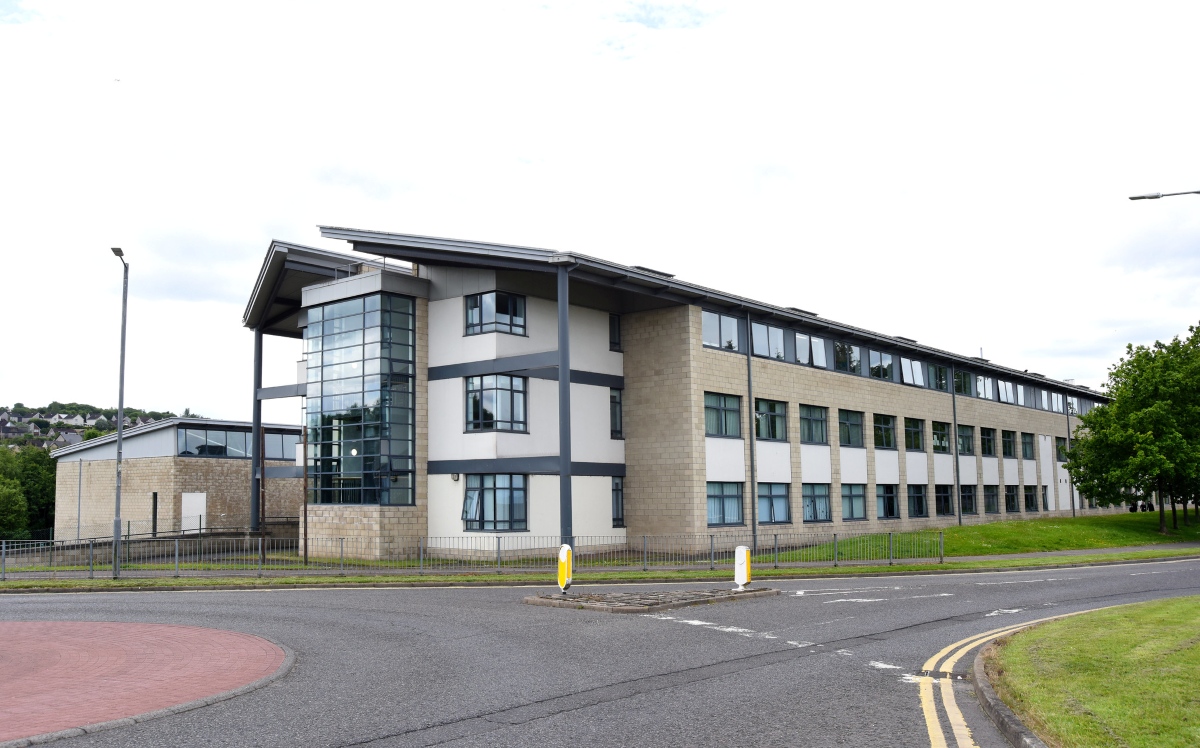
The PPP contract - the first of its kind in the Scottish schools' sector - covered Bo’ness Academy, Braes High School, Graeme High School and Larbert High School, along with the Thistle Wing Annexe.
The contract expired in August 2025 and all schools are now fully managed by Falkirk Council, with catering, cleaning, janitorial, maintenance and energy services all brought back under Council control. Around 80 staff have transferred to the Council, giving them access to Council terms and conditions.
It is also expected to deliver annual savings of around £2m from 2025/26, rising to £3m a year from 2026/27.
The return of the schools means:
- Consistent service standards across all Falkirk secondary schools
- Improved energy efficiency measures, including planned solar panels
- Financial savings that will be reinvested in education and services
- Community groups able to book facilities directly through the Council.
Paul Kettrick, Head of Investment, Assets and Climate, said:
This marks a significant milestone not just for Falkirk but for Scotland. As the first area to see a schools PPP come to an end, Falkirk has set out a clear approach for managing the transition, securing savings, and ensuring local communities benefit for years to come.
“Bringing these schools back into Council management gives us greater control, ensures value for money and allows us to reinvest savings directly into education.
“It also brings real benefits for staff, families and pupils, who can expect consistent standards across all our schools.
“We’re determined that this next chapter for the schools estate delivers improved services, greater community access and secures on financial savings by not paying management costs and charges.
The schools have already seen improvements in energy efficiency, with LED lighting upgrades and new boiler systems installed over the past two years in the lead up to the expiry. New solar panels will be installed in the coming months, helping reduce running costs and carbon emissions further.
Pupils have also taken part in the Schools Energy Challenge, which has already cut more than 150 tonnes of CO2 through simple changes in energy use.