Falkirk Council's first ‘leaky barriers’ installed to reduce flood risk in Westquarter

A quarter-mile stretch of the Glen Burn near Westquarter has become the site of Falkirk Council’s first ‘leaky barrier’ project, which uses natural materials to help reduce flood risk.
Over 40 tonnes of timber from trees blown down in Callendar Park during Storm Eowyn have been used to build 10 barriers in a section of the burn that flows to the west of Auchengean Wood. More than 30 floodplain interceptors have also been created.
Funding for the project has come from this year’s Council Tax rise, which is supporting a £15m investment package across the local area. The package includes £3.8m for roads, £1.5m for school improvements and £815,000 for flood prevention in areas such as Maddiston, Letham and Westquarter, alongside further investment in the gully replacement programme.
How the barriers work
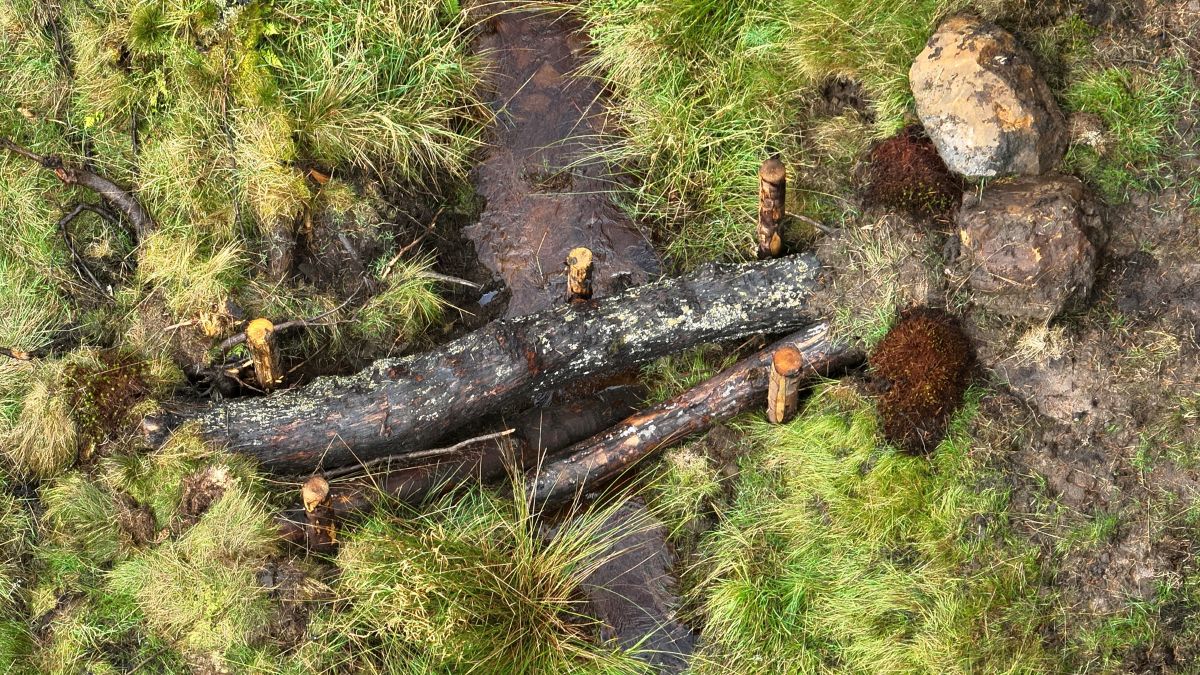
Leaky barriers are built across waterways using logs and branches fixed in place like a simple dam, but with gaps that let water pass through.
In normal conditions the burn will continue to flow as usual, however, during heavy rain, the barriers will hold some of the water back, mimicking the way fallen trees and branches naturally obstruct and slow flow.
Floodplain interceptors, made from felled logs, have also been installed and sit alongside the burn. When the burn is in flood and overflows, these logs will help slow the flow by capturing some of the water and guiding it more gradually back into the channel.
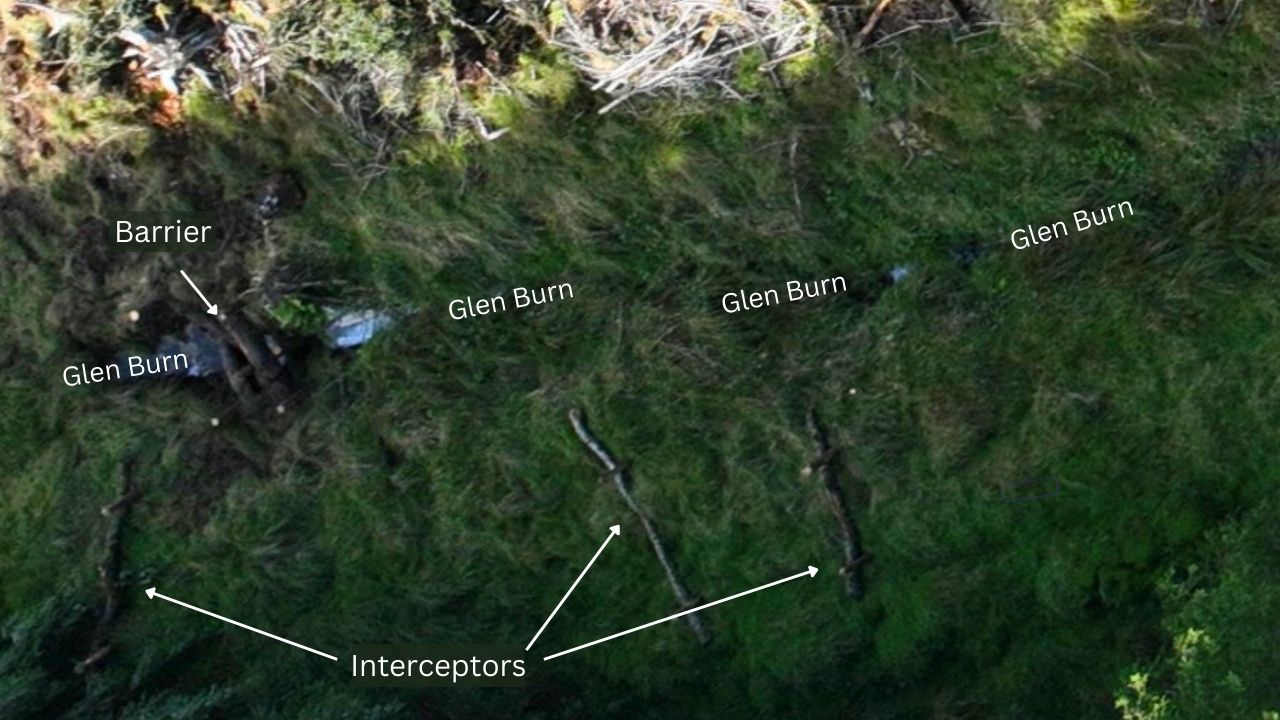
Together, the barriers and interceptors will hold water back in the upper Glen Burn during heavy rain, meaning less water should reach the Westquarter Burn when its levels will also be high. This then lowers the risk of flooding further downstream in places like the Grange Burn in Grangemouth.
Two water gauges have been installed downstream to see how well the barriers and interceptors work, helping teams understand if water levels drop downstream when more water is held upstream, and whether flow patterns change further along the burn.
Wider flood management
The Glen Burn barriers are the first natural flood management (NFM) works completed by the Council, adding to the range of ways flooding is managed locally.
A larger scheme for the Glen Burn and Westquarter area is being investigated with SEPA, combining river restoration and climate resilience opportunities with better connected public spaces and access along the river.
Further NFM projects are also being developed downstream of the Glen Burn and on the Manuel Burn at Maddiston.
Cllr Bryan Deakin, Falkirk Council’s spokesperson for climate change:
After Storm Eowyn, a lot of people asked what would happen to the trees that fell in Callendar Park. Using some of that timber here has been a practical way to recycle the logs and reduce flood risk.
“Natural flood management works best in locations like this stretch of the Glen Burn, where natural barriers can slow the flow and make a real difference. These techniques can also be considered alongside larger engineering schemes to maximise their impact.
“This project really does highlight how we can work with nature’s own processes to reduce flooding and protect our communities.